
Crochet Front Post Back Post
Crochet Front Post Back Post - Web front post double crochet (fpdc) you will start with a row of dc. Pull up a loop, then finish the rest of the stitch as you would a regular stitch. In fact, you have two options: Both use the basic dc stitch as the foundation. You’ll see these used in crochet cables or a ribbed edging around the bottom of a hat or edge of a blanket and more. Normally, you insert your hook in the top loops of the stitch. Check out our written and video tutorial to learn how! Great for ribbings, edgings, or even as a stand alone stitch, front post and back post crochet stitches are squishy, super textured,. Web front & back post single crochet (fpsc & bpsc) stitches are useful as textural elements, or to change the direction of your work. Included are left and right handed video tutorials. Web here are a few crochet stitch patterns where you’ll be able to practice front post and back post stitches: Instead of making your stitch through the loops at the top of the stitch, you make it around the stitch. The front and back post double crochet stitches! You’ll see these used in crochet cables or a ribbed edging around the bottom of a hat or edge of a blanket and more. While the dc is by far the most common stitch used in post stitches, it's not the only one that you can use. Web you just need to learn where to put it. Insert hook behind the post then back to the front, pushing the post to the front. Web in today's video i teach you how to crochet the front post and back post double crochet stitches. Easy written, image and video learning. Just to recap, post stitches are used to create a variety of patterns and textures in crochet, like cables, ribbing, or more decorative raised patterns like the basket weave stitch. Web crochet post stitches create lovely textured fabric. I'll help you identify the post of the stitches, and. Web the front post and back post crochet stitch is used to ribbing, basket weaves and cabling. Web the front post double crochet stitch and the back post double crochet stitch are two techniques you need to know! Web crochet tutoiral on. This makes the back of the work have a ridge that sticks up and the front have a valley that goes down. For post stitches, you insert your hook around the post of the stitch. In fact, you have two options: Web to crochet a front post stitch, insert the crochet hook from the front to back between two stitches,. I'll help you identify the post of the stitches, and. Web the front post double crochet stitch and the back post double crochet stitch are two techniques you need to know! For this specific crochet stitch you are going to work around the post of the stitches. Web front post and back post crochet is perfect for edging, ribbing, and. Pull up a loop, then finish the rest of the stitch as you would a regular stitch. Web crochet tutoiral on how to do the front post/back post crochet stitches. For this specific crochet stitch you are going to work around the post of the stitches. Web the front post double crochet stitch and the back post double crochet stitch. Just to recap, post stitches are used to create a variety of patterns and textures in crochet, like cables, ribbing, or more decorative raised patterns like the basket weave stitch. For post stitches, you insert your hook around the post of the stitch. A front post double crochet (fpdc) or a back post double crochet (bpdc); Check out our written. Let me teach you how with this video tutorial. They are worked around the post of the. Check out our written and video tutorial to learn how! I'll help you identify the post of the stitches, and. The front and back post double crochet stitches! Web front post double crochet (fpdc) you will start with a row of dc. You’ll see these used in crochet cables or a ribbed edging around the bottom of a hat or edge of a blanket and more. A front post double crochet (fpdc) or a back post double crochet (bpdc); The front and back post double crochet stitches! Both. For post stitches, you insert your hook around the post of the stitch. Web the front post double crochet (fpdc) and the back post double crochet (bpdc) are used here to pull the columns (or posts) of the stitches forward, and push them backward to create this. The front and back post double crochet stitches! Web front post double crochet. This makes the back of the work have a ridge that sticks up and the front have a valley that goes down. The front and back post double crochet stitches! Web the front post double crochet (fpdc) and the back post double crochet (bpdc) are used here to pull the columns (or posts) of the stitches forward, and push them. See how in this tutorial! Web front & back post single crochet (fpsc & bpsc) stitches are useful as textural elements, or to change the direction of your work. Web learn all about the front and back post stitch in crochet with this free and simple crochet tutorial pattern. Web the front post double crochet (fpdc) and the back post. Web in today's video i teach you how to crochet the front post and back post double crochet stitches. Web the front post double crochet stitch and the back post double crochet stitch are two techniques you need to know! Web front and back post crochet stitches are used to create texture in crochet. For post stitches, you insert your hook around the post of the stitch. Web here are a few crochet stitch patterns where you’ll be able to practice front post and back post stitches: Included are left and right handed video tutorials. Normally, you insert your hook in the top loops of the stitch. Web the front post double crochet (fpdc) and the back post double crochet (bpdc) are used here to pull the columns (or posts) of the stitches forward, and push them backward to create this. Web crochet tutoiral on how to do the front post/back post crochet stitches. Web front post and back post crochet is perfect for edging, ribbing, and even cabling in crochet! Let me teach you how with this video tutorial. The front and back post double crochet stitches! Web learn how to the crochet front and back post stitch with this easy beginner friendly video and photo tutorial using double crochets. Pull up a loop, then finish the rest of the stitch as you would a regular stitch. Insert hook behind the post then back to the front, pushing the post to the front. See how in this tutorial!
Front and Back Post Double Crochet YouTube

How to make Back and Front Post Double Crochet (BPDC & FPDC

How to Front Post & Back Post Double Crochet Free Easy Ribbed Stitch
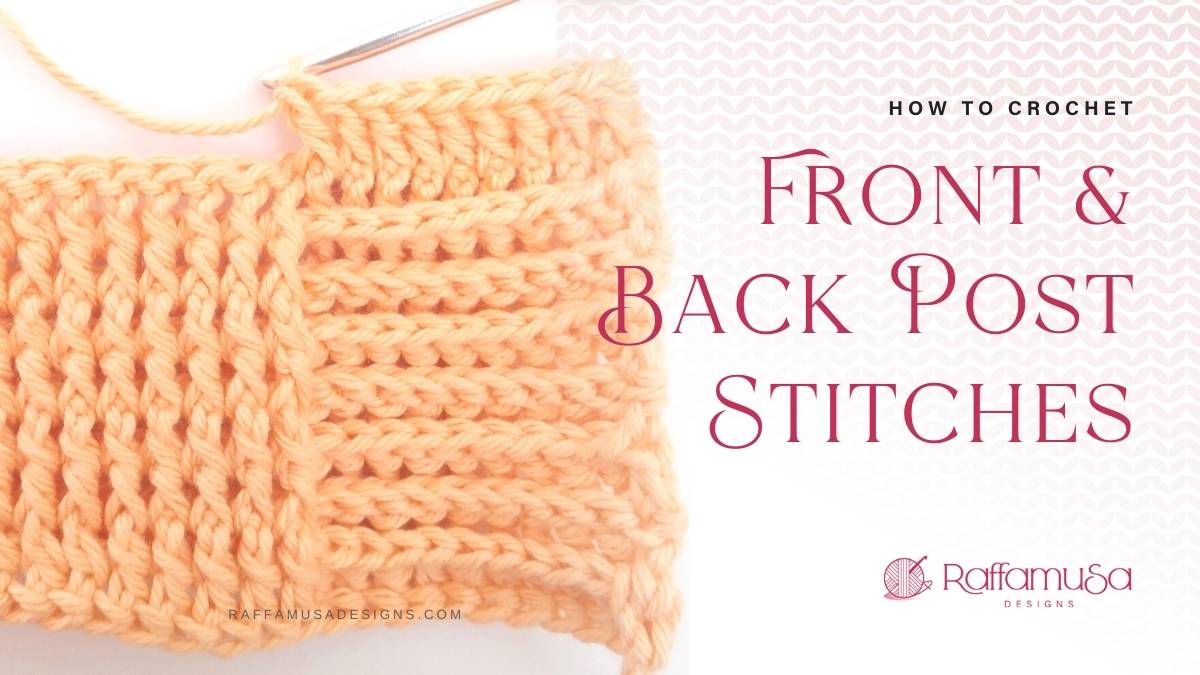
How to Crochet Front Post & Back Post Stitches StepbyStep Tutorial

How to Crochet Front Post and Back Post Crochet Stitches (FP/BP)

Tutorial Front & back post single crochet (fpsc, bpsc) Stitches n
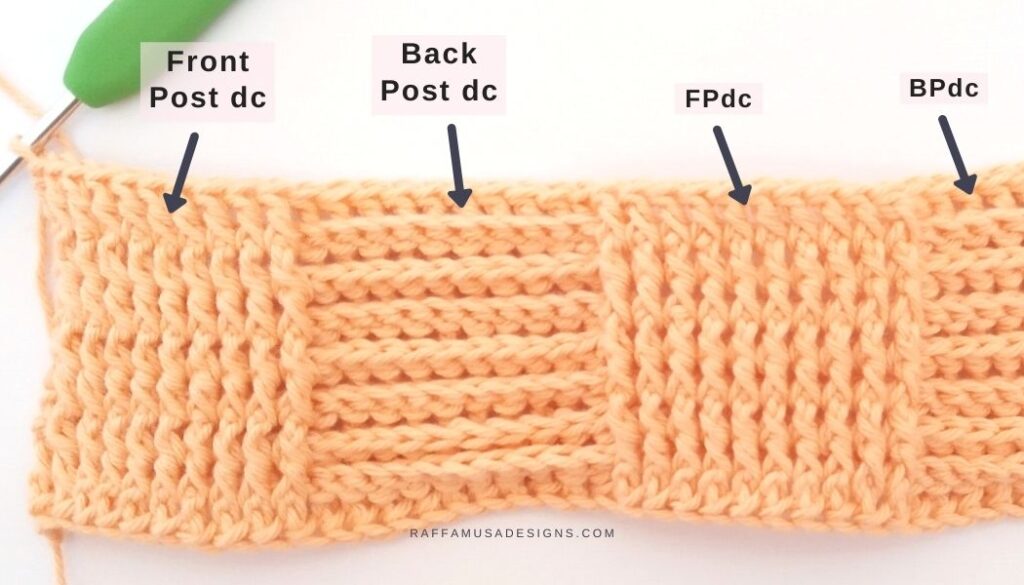
How to Crochet Front Post & Back Post Stitches StepbyStep Tutorial
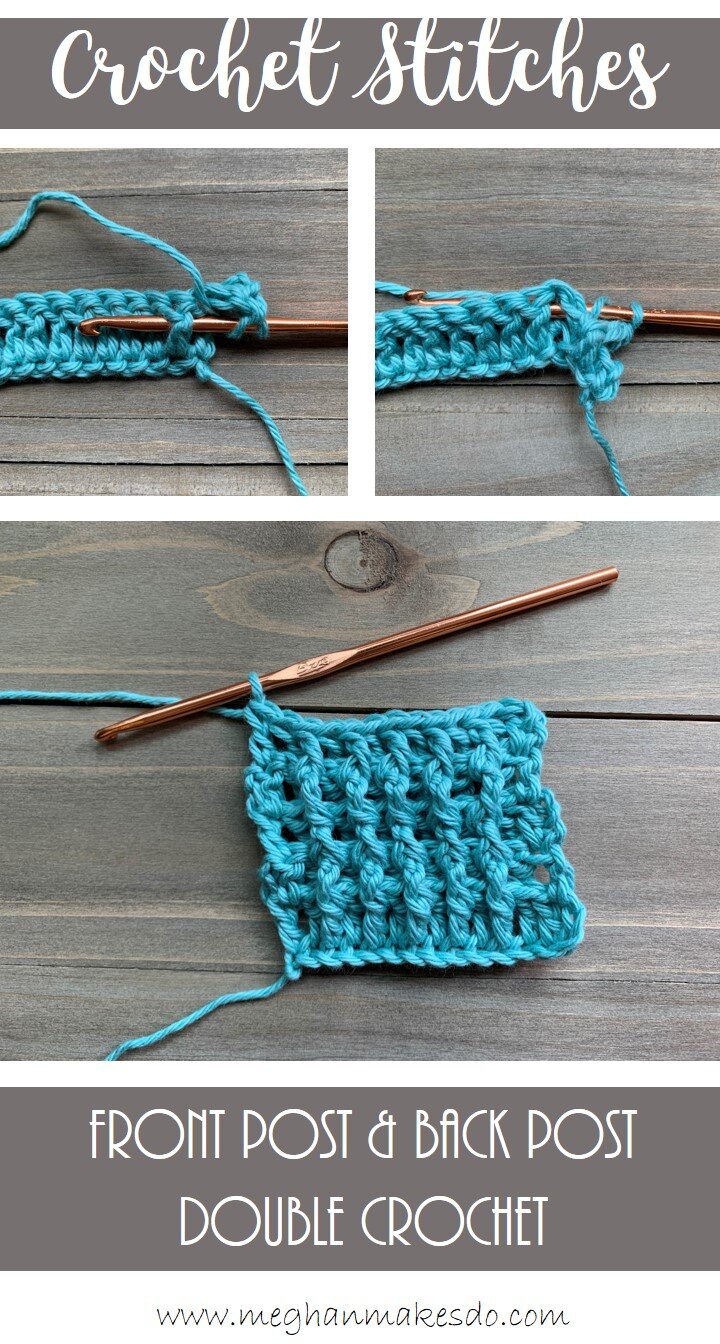
Front Post Back Post Double Crochet Stitch Tutorial — Meghan Makes Do

How to Crochet the Front and Back Post Stitch Beginner Tutorial

Learn how to crochet front post & back post stitches, in this step by
This Makes The Back Of The Work Have A Ridge That Sticks Up And The Front Have A Valley That Goes Down.
Web You Just Need To Learn Where To Put It.
For This Specific Crochet Stitch You Are Going To Work Around The Post Of The Stitches.
Instead Of Making Your Stitch Through The Loops At The Top Of The Stitch, You Make It Around The Stitch.
Related Post: